
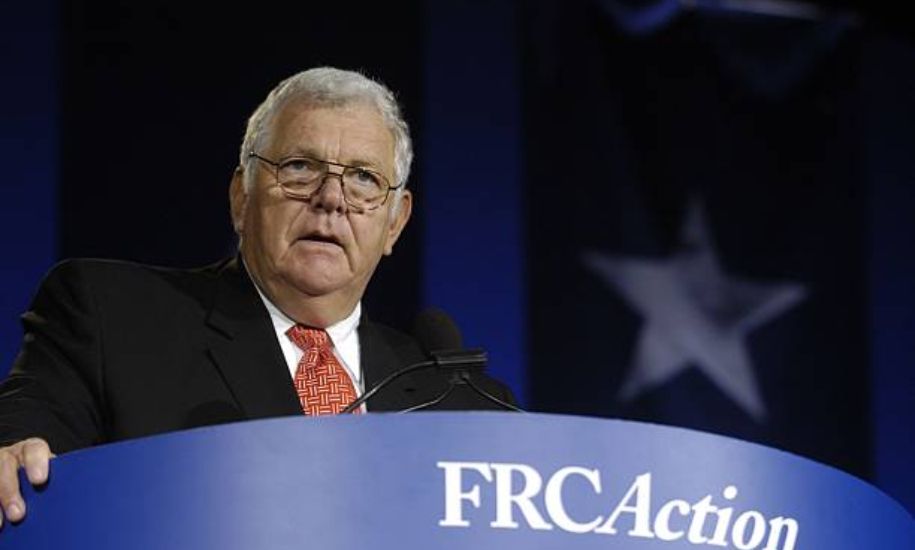
William Bennett is one of the most recognizable conservative political figures in modern American history. Best known for serving as the U.S. Secretary of Education under President Ronald Reagan and later as the nation’s first “Drug Czar,” Bennett built a reputation as a champion of traditional values, education reform, and moral leadership. Over the decades, he became a bestselling author, television personality, radio host, and political commentator, eventually joining Fox News as a contributor.
However, despite his long political career and reputation for promoting virtue and morality, Bennett also faced public controversy because of reports about high-stakes casino gambling. Searches such as “Who is William Bennett,” “William Bennett casino,” “William Bennett gambling,” “William Bennett Fox News,” and “William Bennett CIA” continue to attract public attention as people try to understand both his achievements and controversies.
Quick Bio Table
| Full Name | William John Bennett |
|---|---|
| Known As | Bill Bennett |
| Date of Birth | July 31, 1943 |
| Birthplace | Brooklyn, New York, USA |
| Profession | Politician, Author, Commentator |
| Political Affiliation | Republican |
| Famous For | Former U.S. Secretary of Education |
| Fox News Role | Political Contributor |
| Education | Williams College, Harvard Law School |
| Major Books | The Book of Virtues |
| Spouse | Elayne Bennett |
| Children | Two Sons |
Who Is William Bennett?
William Bennett is an American conservative intellectual, political commentator, and former government official who played an important role in Republican politics during the 1980s and 1990s. He first rose to national prominence during the Reagan administration, where he served as Secretary of Education from 1985 to 1988.
As Education Secretary, Bennett strongly advocated for academic excellence, discipline in schools, and traditional educational values. He often criticized what he viewed as declining educational standards in American public schools. His outspoken style and strong conservative views quickly made him a popular figure among Republicans and conservative voters.
After leaving the Department of Education, Bennett was appointed the first director of the Office of National Drug Control Policy under President George H. W. Bush. This role earned him the nickname “Drug Czar.” In this position, Bennett became known for promoting aggressive anti-drug policies and stricter law enforcement measures aimed at reducing drug use in the United States.
Beyond politics, Bennett established himself as a bestselling author and media personality. His book The Book of Virtues became extremely popular in the 1990s and helped solidify his public image as a defender of morality and family values.
William Bennett’s Early Life and Education
William Bennett was born in Brooklyn, New York, and grew up in Washington, D.C. He attended Williams College, where he studied philosophy. He later earned a doctorate in philosophy from the University of Texas and also studied law at Harvard Law School.
His academic background played a major role in shaping his conservative worldview. Bennett often spoke about ethics, character, and civic responsibility throughout his career. Many supporters admired him for bringing philosophical and moral discussions into American political debate.
Before entering government, Bennett worked in academia and public policy. His intellectual style distinguished him from many other political commentators of his era.
William Bennett and Fox News
One of the most searched topics related to Bennett is “William Bennett Fox News.” After years in politics and radio broadcasting, Bennett joined Fox News as a contributor. His appearances on the network focused mainly on politics, education, culture, and social issues.
Fox News presented Bennett as a respected conservative voice with decades of experience in government and public policy. He regularly appeared on political discussion programs and offered commentary on major national events.
His media presence helped maintain his relevance long after leaving public office. Bennett’s communication style, which combined academic analysis with conservative political commentary, appealed to many viewers interested in traditional American values and Republican politics.
Over the years, he also hosted radio programs and contributed to newspapers, magazines, and public policy discussions. His influence extended beyond television into broader conservative media circles.
William Bennett Casino Controversy
Despite building a reputation around morality and personal responsibility, Bennett became involved in a major public controversy connected to casino gambling.
In 2003, news reports revealed that Bennett had spent millions of dollars gambling at casinos in Las Vegas and Atlantic City. Reports indicated that he frequently played high-stakes slot machines and video poker games. The controversy quickly gained national attention because Bennett had spent years promoting moral values and criticizing behaviors he considered harmful to society.
The “William Bennett casino” controversy damaged his public image among some supporters. Critics argued that his gambling activities conflicted with the ethical principles he promoted in his speeches and writings.
According to reports, Bennett was treated as a VIP gambler by casinos and reportedly received large credit lines for gambling activities. Media coverage focused heavily on the contrast between his public reputation and private behavior.
Bennett later admitted that he had gambled too much. However, he defended himself by saying his gambling never caused financial problems for his family and that he had paid his debts responsibly. He also argued that gambling itself was not immoral if done legally and without harming others.
Even with his explanations, the controversy remained one of the defining public moments of his later career.
William Bennett Gambling Debate
The phrase “William Bennett gambling” continues to trend online because the controversy raised larger questions about hypocrisy in politics and public life.
For years, Bennett had positioned himself as a moral authority in American culture. His speeches and books encouraged discipline, virtue, and ethical behavior. Because of this, many people were surprised to learn about the scale of his gambling activities.
Some supporters defended Bennett by arguing that legal gambling is a personal choice and does not automatically contradict conservative values. Others believed that public figures who promote morality should be held to higher standards.
The debate also highlighted America’s complicated relationship with gambling. While casinos are legal and widely popular in many states, gambling addiction and excessive betting remain controversial social issues.
Bennett’s case became a national discussion about whether personal conduct should affect a public intellectual’s credibility.
William Bennett CIA Rumors Explained
Another search term often associated with Bennett is “William Bennett CIA.” Despite online speculation and rumors, there is no verified evidence that William Bennett ever worked for the Central Intelligence Agency.
Most reliable biographies describe him as an academic, government official, author, and conservative commentator. The CIA rumors likely emerged because Bennett worked closely with national policy issues during the Reagan and Bush administrations.
As Drug Czar, Bennett dealt with federal law enforcement agencies and national security concerns related to drug trafficking. Some conspiracy theories and internet discussions may have incorrectly linked him to intelligence operations because of these responsibilities.
However, no credible source has confirmed any formal connection between Bennett and the CIA.
William Bennett’s Books and Cultural Influence
Beyond politics and television, Bennett achieved major success as an author. His best-known work, The Book of Virtues, became a bestseller and was widely read by parents, teachers, and conservative audiences.
The book collected stories, poems, and moral lessons designed to teach values such as honesty, courage, responsibility, and compassion. Bennett argued that American society needed stronger moral education both at home and in schools.
He later published several additional books focusing on American culture, history, and ethics. These works strengthened his reputation as a leading conservative intellectual during the 1990s and early 2000s.
Even critics acknowledged Bennett’s ability to influence public debates about morality, education, and national identity.
William Bennett’s Legacy
William Bennett remains a controversial but significant figure in American politics and media. Supporters view him as a principled advocate for education reform, traditional values, and strong national leadership. Critics often point to his gambling controversy and controversial political comments as contradictions to his public image.
Regardless of political opinion, Bennett’s impact on conservative thought and American political culture is undeniable. His career spans government service, media commentary, bestselling books, and decades of involvement in national debates.
Today, people continue searching for terms like “Who is William Bennett,” “William Bennett casino,” “William Bennett Fox News,” “William Bennett gambling,” and “William Bennett CIA” because his life combines political influence, public controversy, and cultural relevance.
At News Livo, readers continue to explore influential public figures like William Bennett to better understand the stories, controversies, and political careers that shaped modern American media and conservative politics.
You may also read: Phil Mattingly Biography: Wife, CNN Career, Net Worth, Age, Salary and Family
